Why Your Dandruff Keeps Coming Back & How Dermatologists Treat It
"I wash my hair regularly. I've changed three shampoos this year. Why does my dandruff keep coming back?"
This is probably one of the most common questions we hear at RS Skin & Hair Clinic.
Most people walk into the clinic thinking they've simply picked the wrong shampoo. Some have tried medicated products. Others have switched to herbal remedies, home treatments, or expensive salon products. A few have even stopped applying oil because someone told them oil causes dandruff, while others have started applying more oil because someone else said their scalp was dry.
By the time they visit us, they're confused.
The first thing I usually tell them is this:
Dandruff isn't always the real problem. Sometimes it's just the symptom.
Until we understand why your scalp is flaking, no shampoo can offer lasting relief.
Let's Start With a Common Misunderstanding
People often describe dandruff as "dry skin on the scalp."
Sometimes that's true, especially during colder months.
But the patients whose dandruff keeps returning every few weeks usually have something more than simple dryness.
If your scalp feels itchy all the time, becomes red after washing, develops greasy yellow flakes, or you're noticing more hair on your pillow or in the shower, there's a good chance your scalp is inflamed.
Inflammation changes everything. Instead of shedding skin at a normal pace, the scalp starts producing skin cells much faster than it should. Those extra skin cells collect together, creating the flakes you keep seeing.
The flakes are the visible part.
The inflammation underneath is the actual problem.
So Why Doesn't the Shampoo Fix It?
Because most shampoos are designed to control flakes—not diagnose the condition causing them.
Think of it this way.
If someone has a fever, lowering the temperature is helpful, but it doesn't tell you whether the cause is a viral infection, a bacterial infection, or something else entirely.
Recurring dandruff works in much the same way.
The shampoo may reduce the flakes for a while, but if the scalp condition hasn't been treated, the symptoms return as soon as you stop using it.
That's why so many people tell us,
"It worked for a month, then it stopped working."
Usually, the shampoo didn't stop working.
It simply wasn't treating the underlying condition.
What Could Actually Be Causing Your Dandruff?
There isn't one single answer.
Some patients have seborrheic dermatitis, where the scalp reacts excessively to a yeast that naturally lives on everyone's skin.
Others may have scalp psoriasis.
Some develop irritation because of hair colouring products or harsh shampoos.
Occasionally, we diagnose fungal infections or eczema instead of dandruff.
Interestingly, these conditions can look very similar when you're standing in front of a mirror.
That's exactly why self-diagnosis is often misleading.
What Happens During a Dermatology Consultation?
People sometimes expect us to immediately prescribe another shampoo.
Instead, we spend most of our time asking questions.
When did the itching begin?
Does it become worse after sweating?
Is it seasonal?
Do you have similar patches around your eyebrows, ears, or beard?
Has your hair fall increased recently?
These answers often provide more information than people expect.
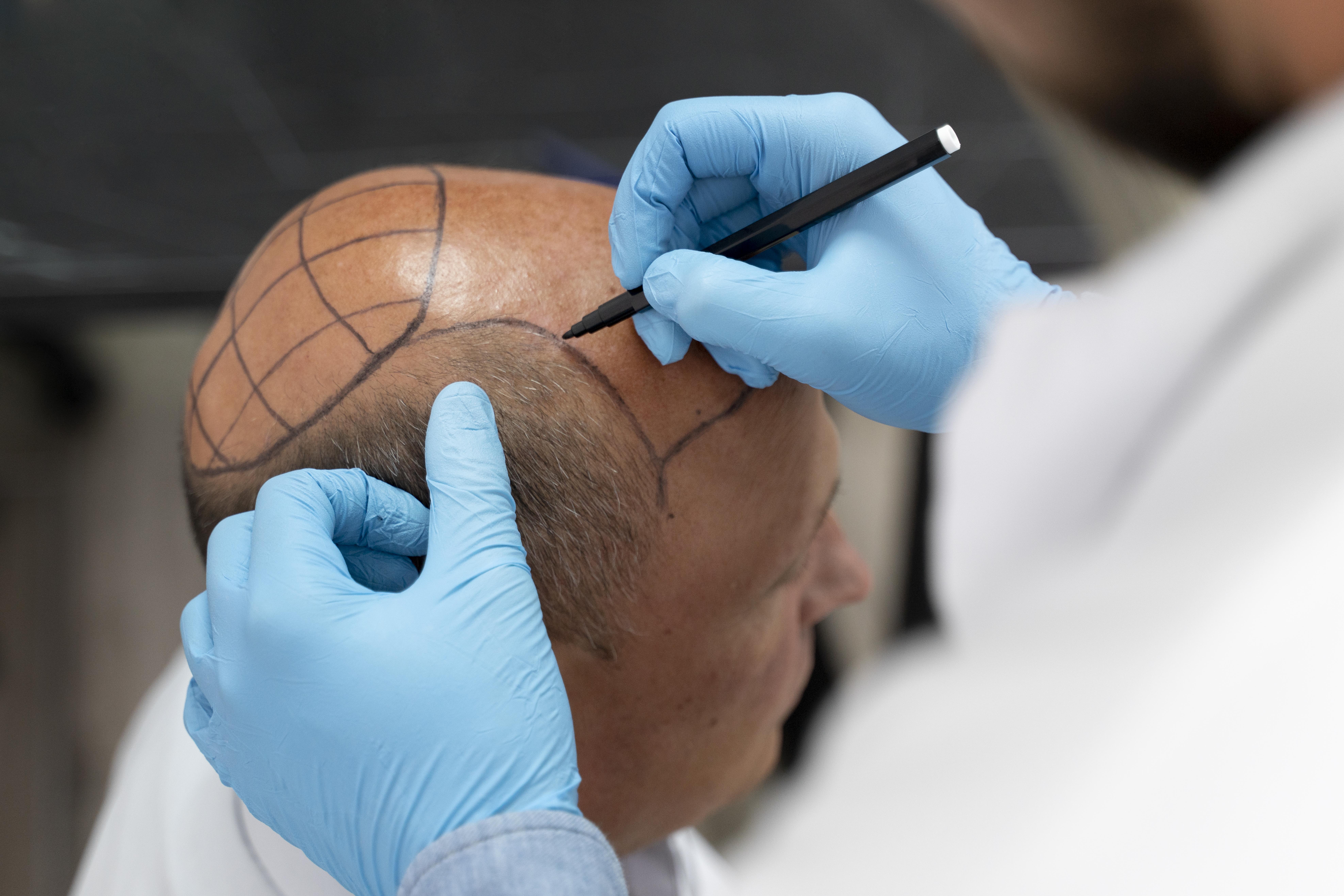
After that, we carefully examine the scalp.
We're not only looking at flakes.
We're assessing redness, oil production, inflammation, scaling patterns, and the overall health of the scalp.
Sometimes the diagnosis becomes obvious during the examination.
Occasionally, additional investigations are required.
The important point is that treatment begins only after we understand what we're treating.
Can Stress Really Make Dandruff Worse?
Absolutely.
Stress doesn't create dandruff overnight, but it can make existing scalp conditions much more active.
Many patients notice that their itching increases during examinations, work deadlines, family stress, or periods of poor sleep.
Your skin and scalp are surprisingly responsive to what's happening inside your body.
That's why treatment isn't always limited to medicines alone.
Good sleep, proper scalp hygiene, and managing stress often help keep flare-ups under better control.
What About Hair Fall?
This worries almost everyone.
The good news is that dandruff itself usually doesn't damage the hair follicle permanently.
The problem is what comes with it.
Constant scratching, inflammation, and irritation can weaken the scalp environment and increase hair shedding.
Once the scalp becomes healthier, many patients notice that the excessive shedding gradually settles down.
The Biggest Mistake We See
Changing products every two weeks.
One medicated shampoo.
Then a herbal shampoo.
Then onion oil.
Then lemon juice.
Then apple cider vinegar because someone on social media recommended it.
Your scalp doesn't get enough time to respond to one treatment before another product is introduced.
Sometimes, instead of treating the inflammation, people accidentally make it worse.
The scalp doesn't need ten different products.
It needs the right diagnosis.
How Dermatologists Treat Recurring Dandruff
There's no single prescription that works for everyone.
Treatment depends entirely on what's causing the problem.
Some patients improve with prescription-strength antifungal shampoos.
Others need anti-inflammatory lotions for a short period.
Patients with psoriasis or eczema require completely different treatment plans.
Equally important is knowing how long to continue treatment.
Many people stop using their medication as soon as the flakes disappear.
Unfortunately, that's often when the condition quietly starts returning.
Maintenance care is just as important as the initial treatment.
When Should You Stop Treating Yourself?
If your dandruff has been returning for months despite changing shampoos...
If your scalp burns instead of simply itching...
If you're noticing redness, thick scaling, or increasing hair fall...
It's time to let a dermatologist examine your scalp.
Not because your condition is necessarily serious, but because guessing rarely solves a chronic scalp problem.
A Final Word
Dandruff can feel like a small problem until you've been living with it for months.
It affects confidence.
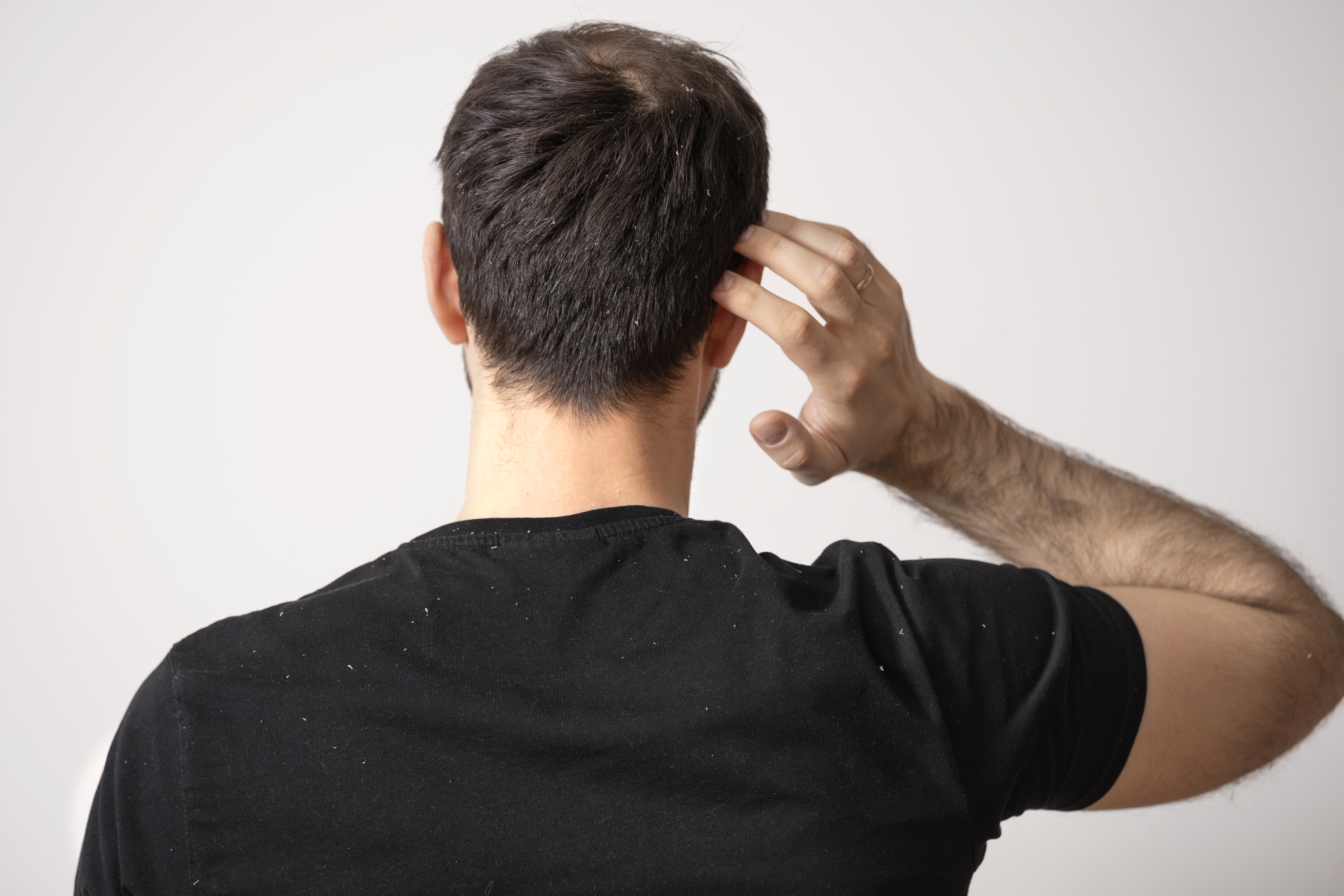
It makes people avoid dark clothes.
Some even stop attending social events because they're embarrassed by flakes on their shoulders.
The encouraging part is that, in most cases, recurring dandruff can be managed very effectively once the correct diagnosis is made.
At RS Skin & Hair Clinic, our goal isn't simply to help you find another shampoo.
It's to understand what's happening beneath the surface of your scalp and treat it in a way that gives you lasting relief.
If your dandruff keeps coming back, don't keep changing products.
Get the right diagnosis first.
Your scalp will thank you for it.